
Get a long-lasting solution for missing teeth at T32 Dental. Our dental implants look and function like your real teeth, so you can eat, speak and smile freely again.
If you have one or many missing teeth, dental implants are the only permanent solution to replace them. They are small metal rods placed into your jawbone that act as strong roots for new artificial teeth. They feel like your natural teeth, so you can chew comfortably, smile confidently and protect your oral health.
Our experienced dentists provide you with a comfortable experience using advanced dental technology and high-quality implants.
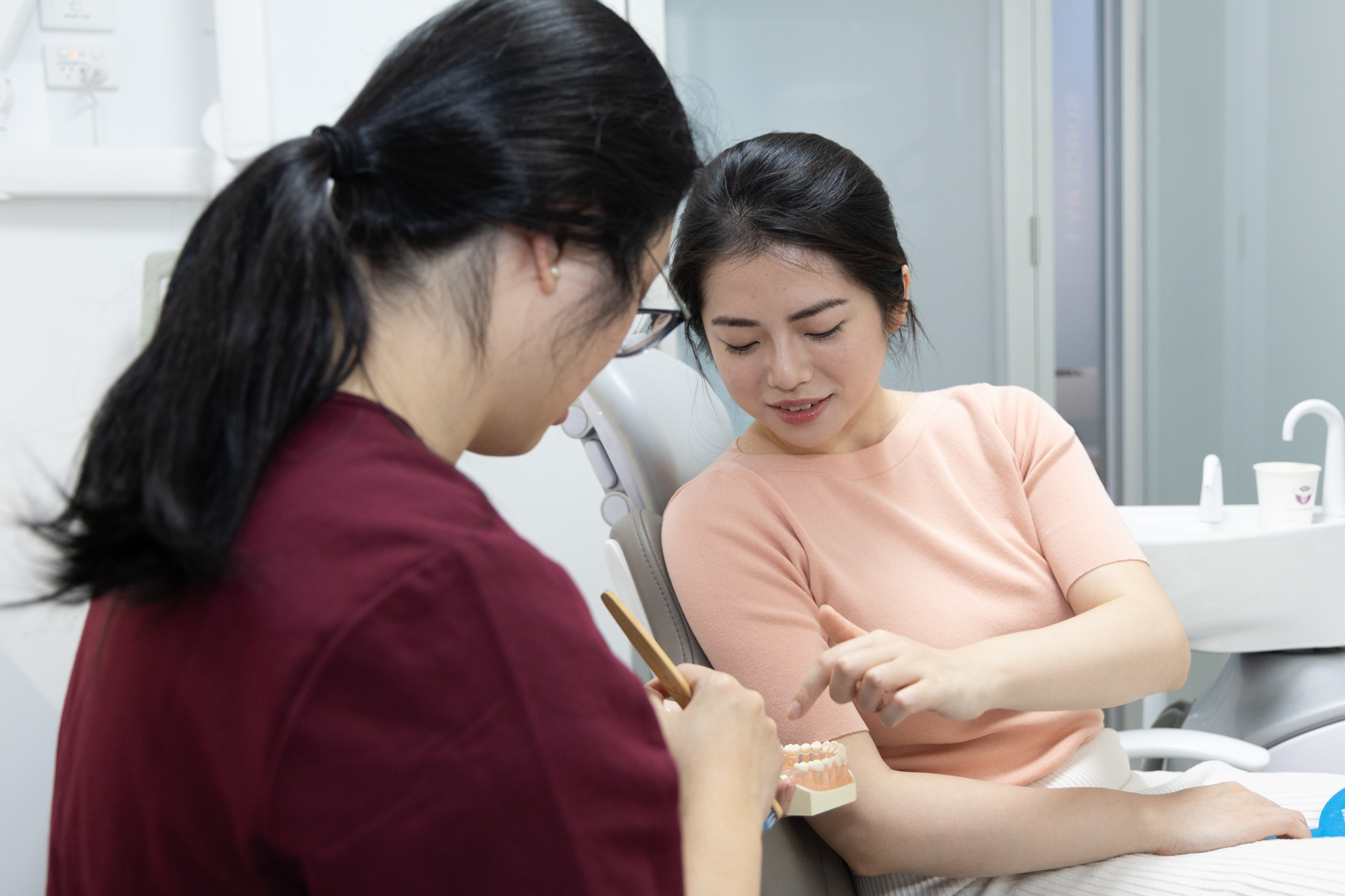
No two implants are the same. Whether you need a single tooth implant, multiple tooth implants or all on four dental implants, a visit to the T32 Dental clinic will help plan your treatment carefully.
Each dental implant appointment includes:

You have one or more missing teeth

You find it difficult to chew and eat comfortably

You face difficulty while speaking and notice whistling sounds when you talk

Your dentures feel uncomfortable and slip out when you eat

You want a permanent and natural-looking solution for your missing teeth

You notice changes in your bone structure and loss of jawbone in the area of the missing tooth

Your remaining natural teeth have started to shift place


Dental implants consist of three main parts: the implant post, the abutment, and the crown. The implant post, usually made of titanium, is surgically placed into the jawbone where it acts like a tooth root. Over time, it fuses with the bone in a process called osseointegration, creating a strong and stable foundation. Once healed, an abutment is attached to connect the implant to a custom-made crown to restore the look and function of a natural tooth.
The cost of dental implants varies depending on the number of implants, the type of restoration (crown, bridge, or denture) and the complexity of the case. At our dental clinic, we provide a clear, personalised treatment plan with transparent pricing after your initial consultation.
Dental implant procedures are performed under local or general anaesthesia, so you won’t feel pain during the treatment. Some discomfort after the procedure is normal, but it can be managed with medication and usually subsides within a few days.
With proper care, dental implants can last 15-20 years or even a lifetime. You must care for your implants just like your natural teeth. Brushing twice a day and flossing between your implants and real teeth are essential to keep them healthy and long-lasting.
The full dental implant process can take several months, as it includes healing time for the implant to integrate with the jawbone. Your dentist will guide you through each stage and timeline based on your case.
Dental implants are a stable and permanent option to replace a missing tooth, while dentures are removable. Unlike dentures, implants don’t shift while eating or speaking and offer better comfort, chewing ability, and long-term support. Our dentists can suggest the best option based on your oral health and budget.
All on 4 dental implants are used when you have lost most or all of your teeth on the upper or lower jaw. They replace a full arch of teeth using just four strategically placed implants. These implants support a fixed set of prosthetic teeth, offering a stable, long-term alternative to removable dentures.
The full mouth dental implants cost or all on four dental implants cost, depends on factors such as the materials used, the complexity of your case, and any additional procedures required. After a detailed consultation, we provide a personalised treatment plan with clear and transparent pricing.
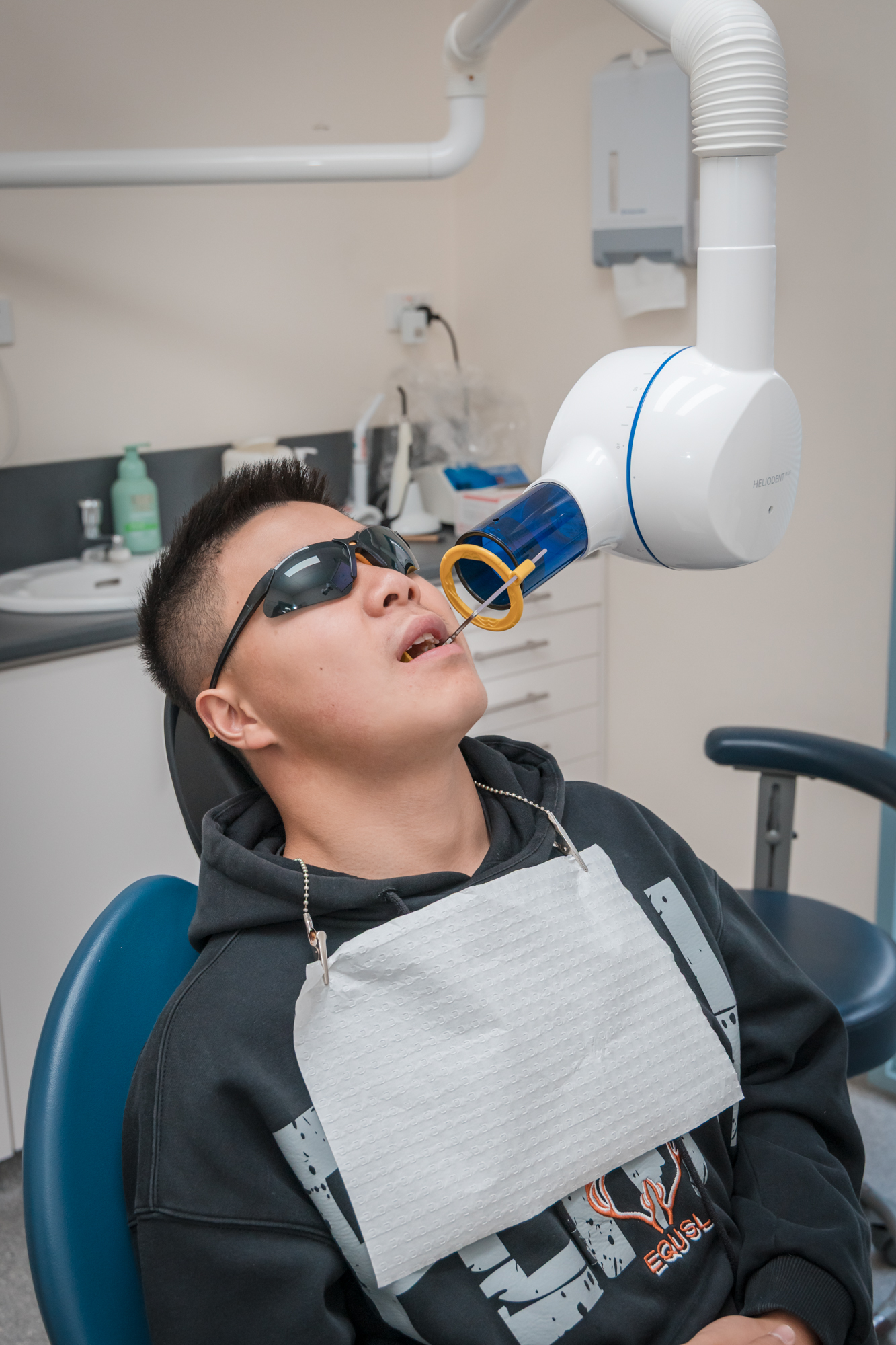
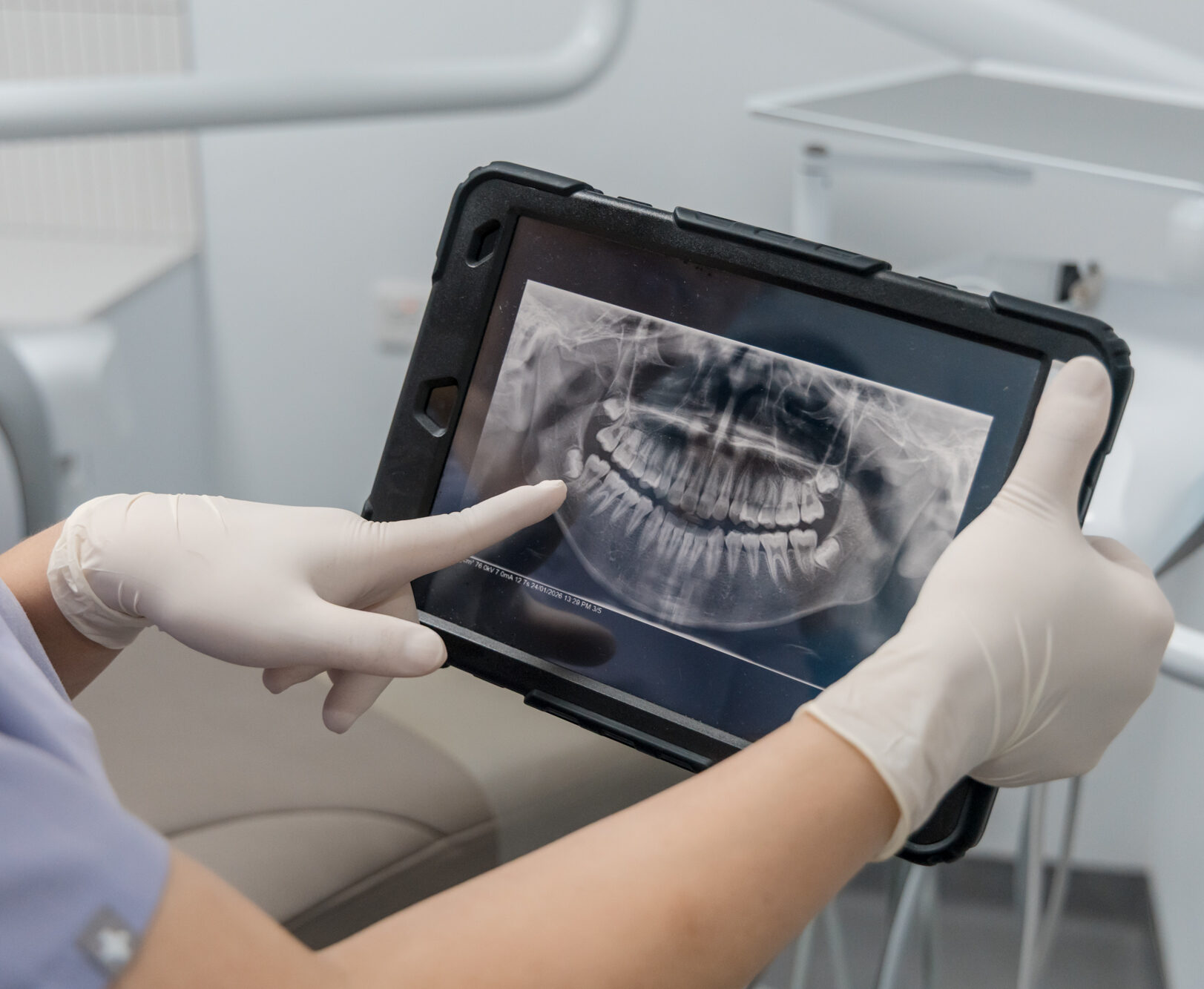
Most adults with healthy gums and good health are suitable candidates. You need sufficient jawbone to support the implant, though additional procedures like bone grafting may be recommended if needed. During the consultation phase, our dentists will use dental X-rays and assess whether an implant is right for you.
Coverage for dental implants varies depending on your health insurance provider and plan. Some policies may cover parts of the procedure, such as consultations or restorations, while others may not. Our team can help you understand your benefits and provide the necessary documentation.