
Treat gingivitis early and keep your gums healthy for the long run. At T32 Dental, we reduce inflammation and stop gum disease from progressing to more serious stages.
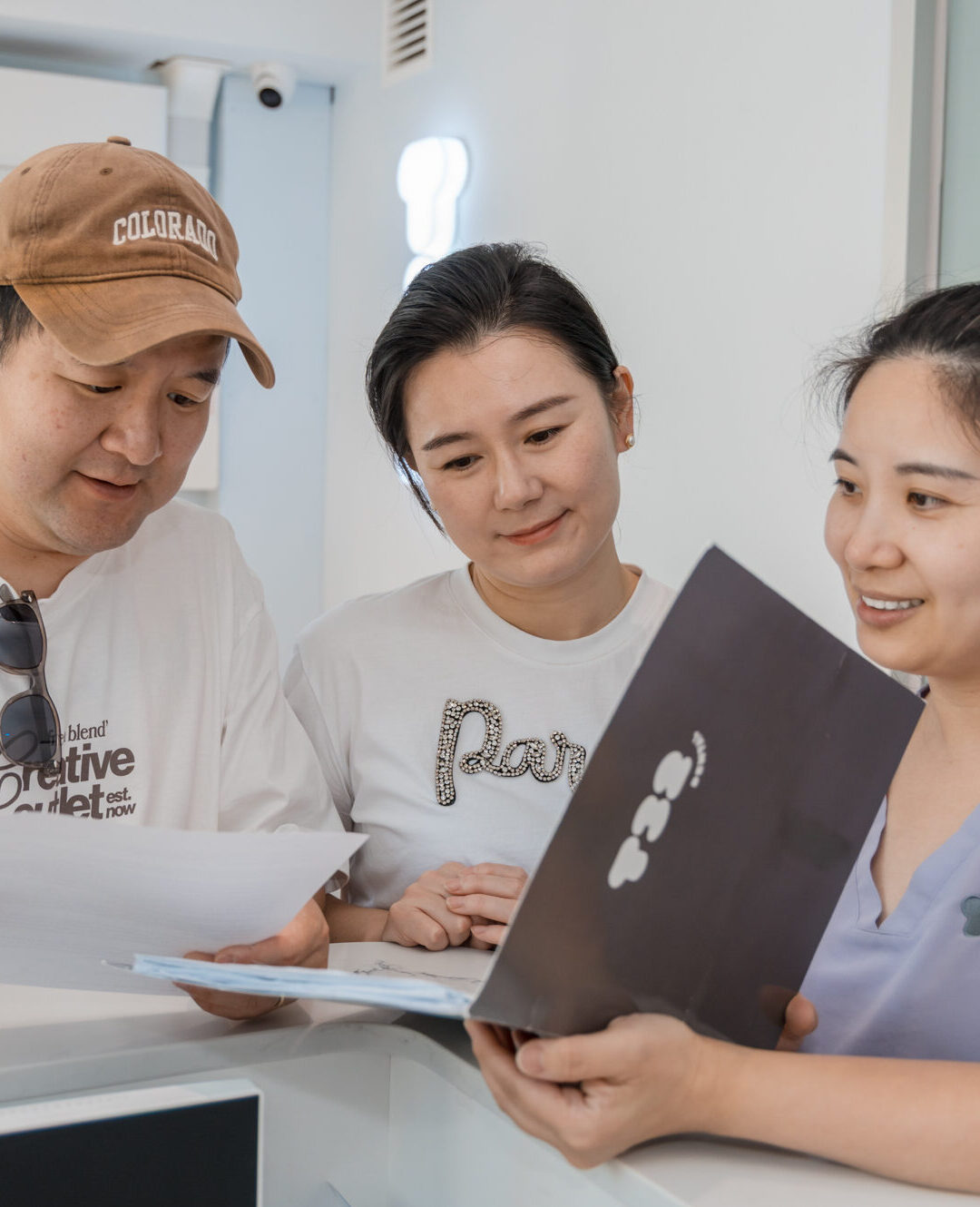
Healthy gums are the foundation of a healthy smile. When bacteria build up along the gum line, they cause infection that damages your gums and the bone supporting your teeth. Gum disease treatment removes this bacteria, stops the infection from spreading, and restores your gum health before permanent damage occurs.
At T32 Dental, we catch gum disease early so you can avoid tooth loss, eliminate discomfort, and protect your smile for life.

A gum disease treatment visit isn't just about scraping away plaque. It's about stopping infection, protecting the bone around your teeth, and restoring your gums so they can heal properly and stay healthy.
Each gum disease treatment appointment includes:

Bleeding gums when brushing or flossing

Swollen, tender, or receding gums

Persistent bad breath or a bad taste

Gums that feel sore, infected, or puffy

Loose teeth or teeth that feel different when you bite

Spaces appearing between teeth

A history of gum disease in your family
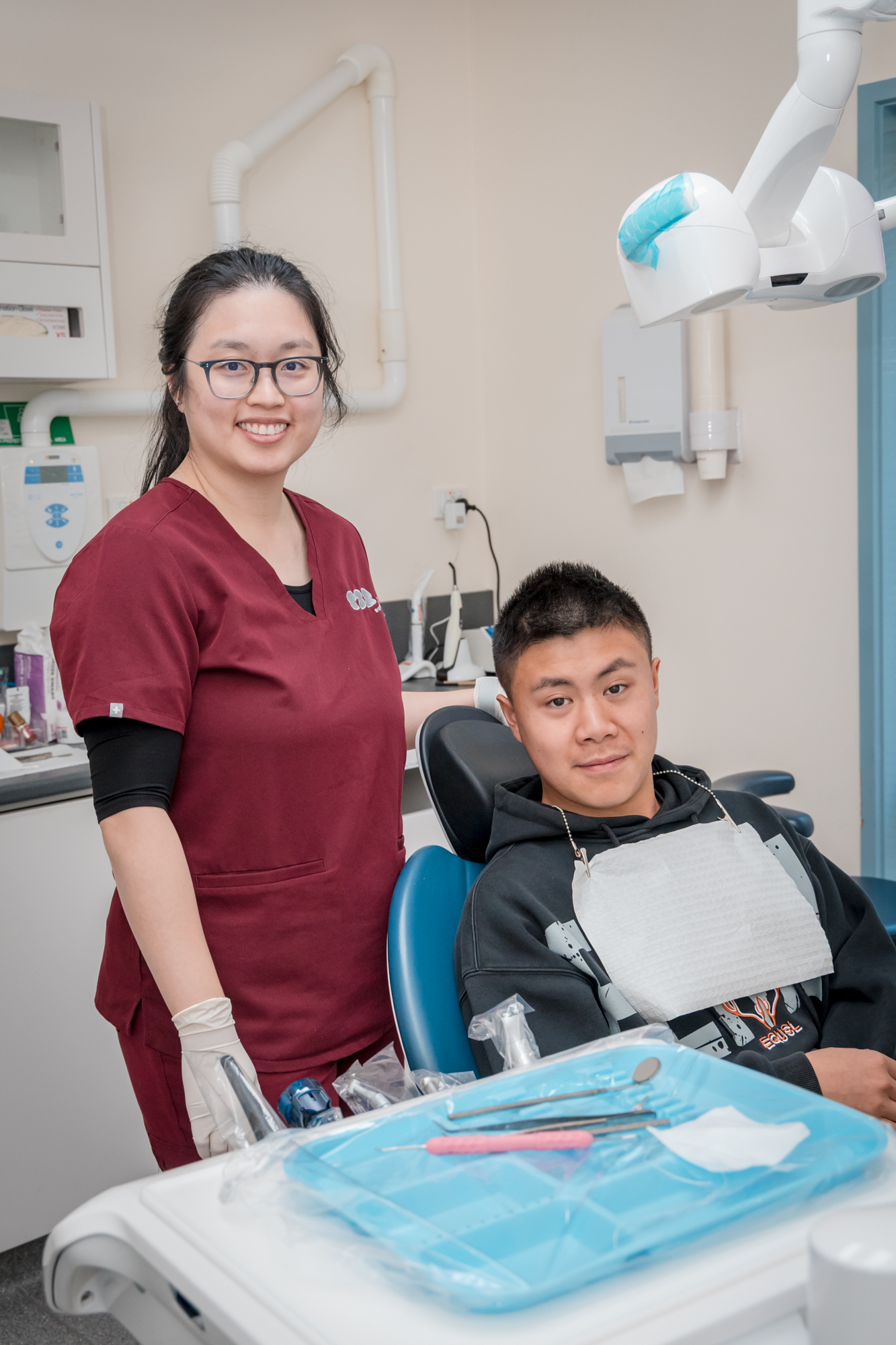
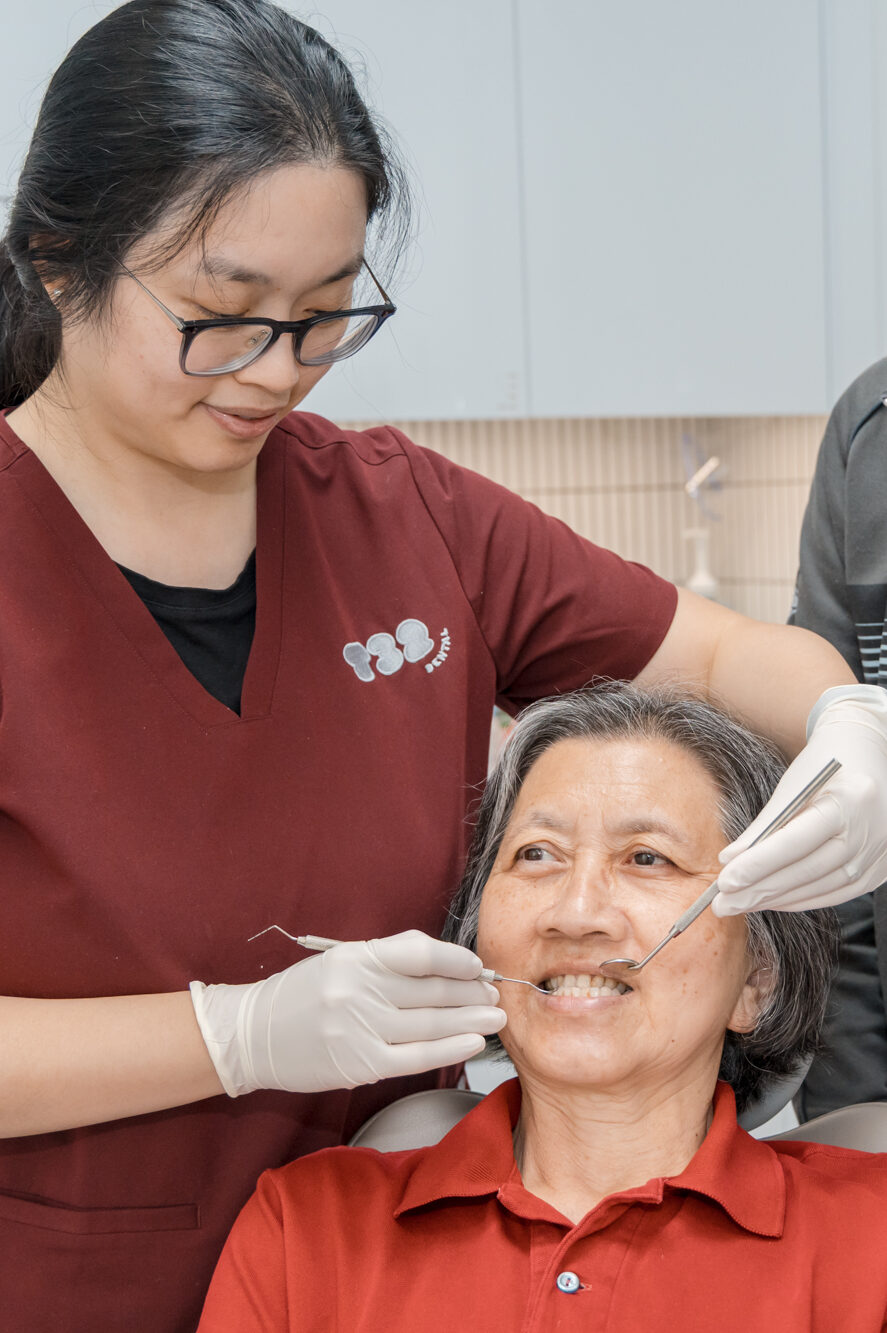
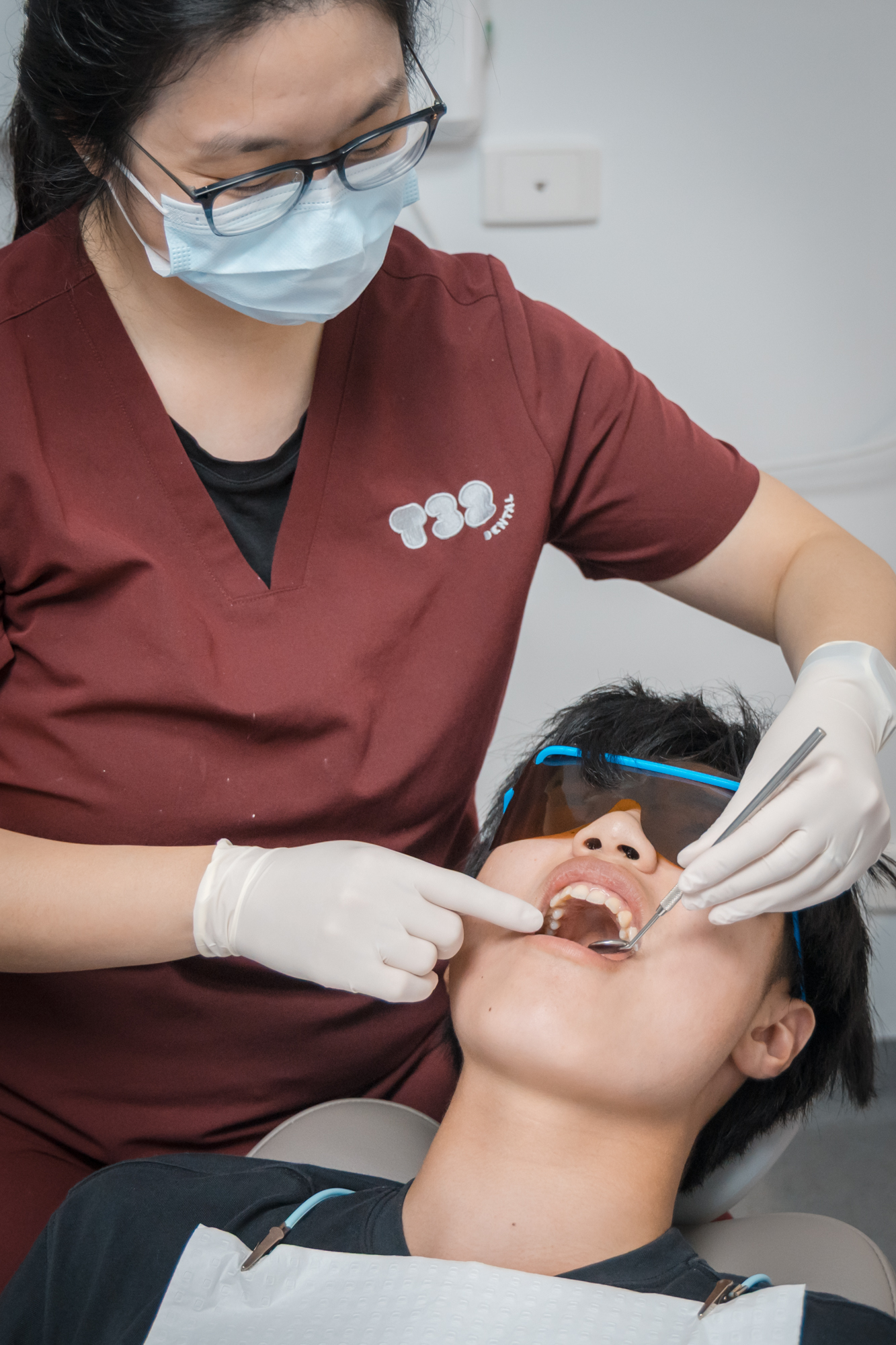

It depends on the stage. Gingivitis, the earliest form of gum disease, is completely reversible with professional cleaning and improved oral hygiene. However, once it progresses to periodontitis, the damage to the gums and bone can't be fully reversed but it can be managed and stopped from getting worse with the right treatment.
Most patients experience little to no discomfort during treatment. We use local anaesthetic to keep you comfortable, especially during deep cleaning or root planing. You may feel some tenderness or sensitivity afterward, but this usually subsides within a few days. Our team prioritises gentle care to make the process as comfortable as possible.
It depends on the severity of your gum disease. A standard deep cleaning appointment usually takes 1–2 hours and may be split across multiple visits if treating the entire mouth. Follow-up appointments are typically scheduled 4–6 weeks later to check your healing progress. For ongoing maintenance, you may need cleanings every 3–4 months.
We can treat most cases of gum disease right here at T32 Dental. If your condition requires advanced surgical treatment, we'll refer you to a trusted periodontist to ensure you get the best possible care.